
 English (United Kingdom)
  Arabic (اللغة العربية)
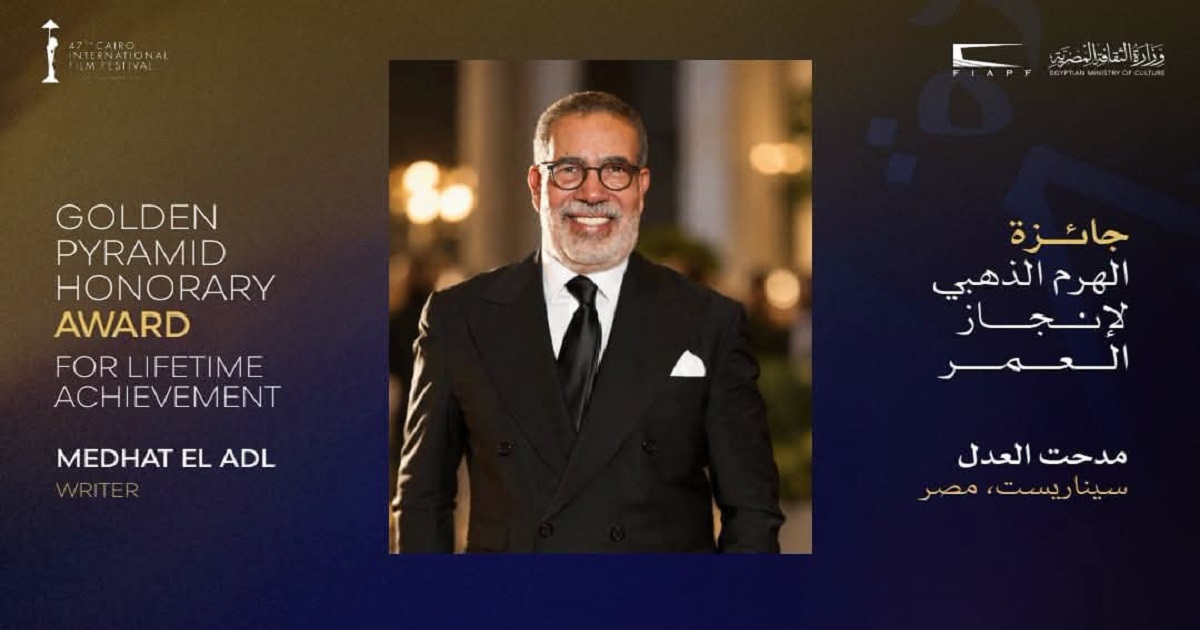
 Rim Chaker// Cairo International Film Festival (CIFF) has announced that acclaimed Egyptian screenwriter and poet Medhat El Adl will receive the Golden Pyramid Lifetime Achievement Award at its 47th edition, taking place from 11 to 20 November 2026. The honor recognizes his distinguished creative career and outstanding contributions to Egyptian cinema through works that have resonated with audiences and helped launch a generation of stars.

Rim Chaker// Cairo International Film Festival (CIFF) has announced the members of the Best Arab Film Award Jury for its 47th edition, taking place from 11 to 20 November 2026, as the festival marks 50 years since its inaugural edition in 1976.
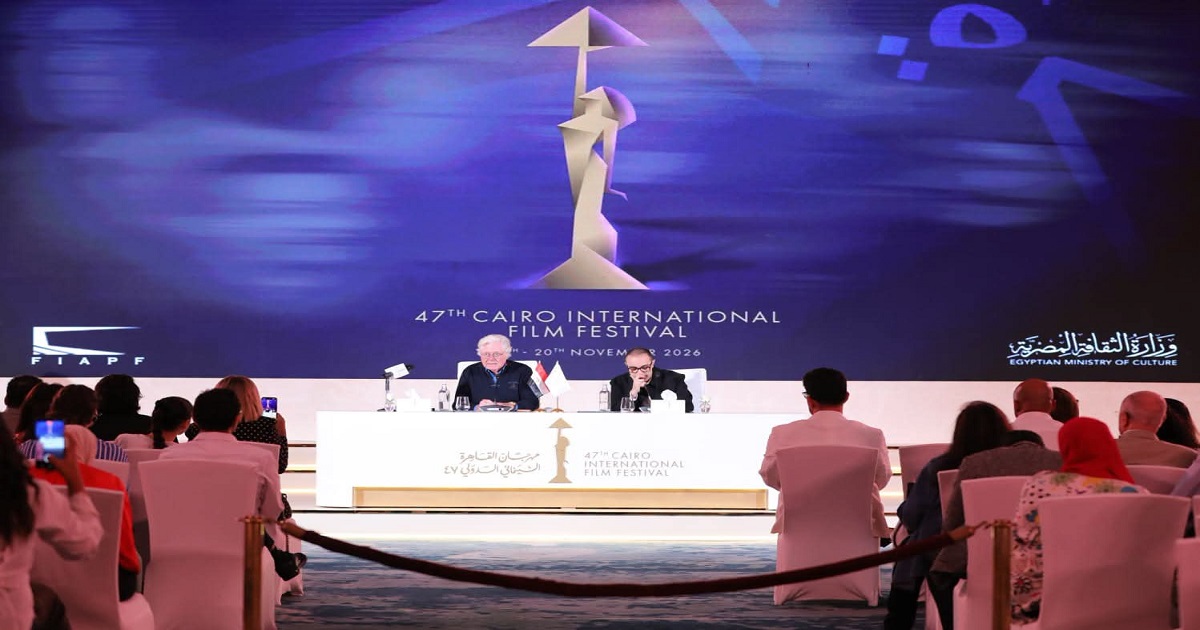
Rim Chaker// Cairo International Film Festival (CIFF) has announced the Official Selection – Out of Competition lineup for its 47th edition, taking place from 11 to 20 November 2026, as the festival marks 50 years since its inaugural edition in 1976.
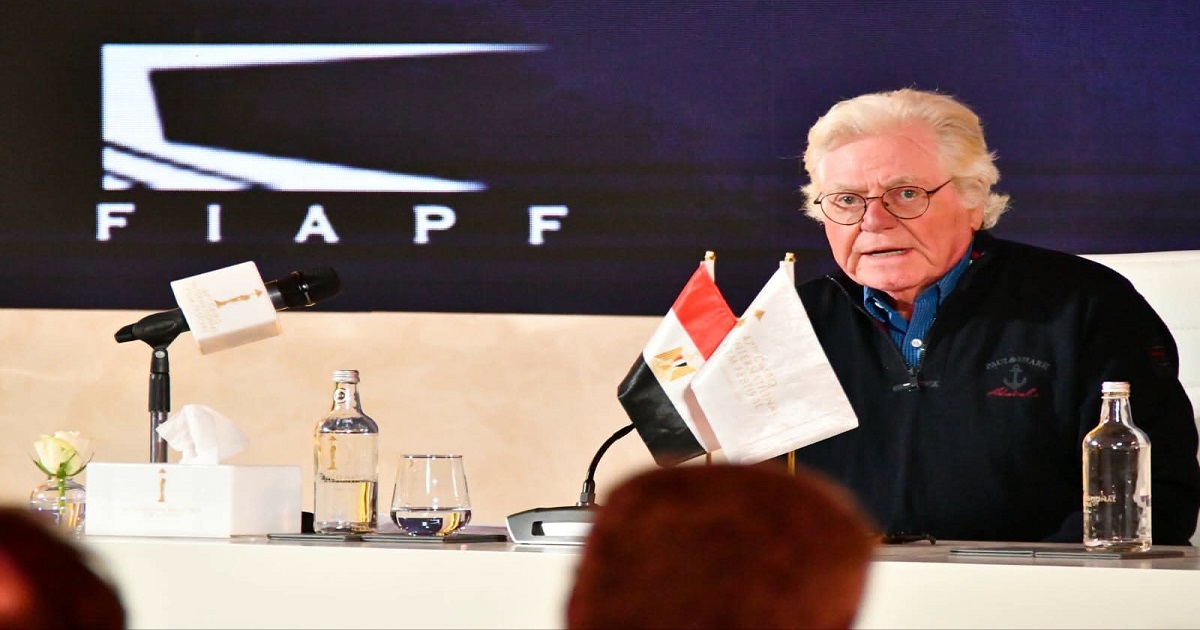
Rim Chaker// Actor Hussein Fahmi, President of Cairo International Film Festival, announced the addition of Tahrir Cinema and Zawya Cinema to the list of screening venues hosting the films of the 47th edition of the festival, held from November 11 to 20, 2026, coinciding with the fiftieth anniversary of its inaugural edition in 1976.
Rim Chaker// Cairo International Film Festival (CIFF) has announced the Midnight Screenings and Midnight Classics lineup for its 47th edition, taking place from 11 to 20 November 2026, as the festival marks 50 years since its inaugural edition in 1976.
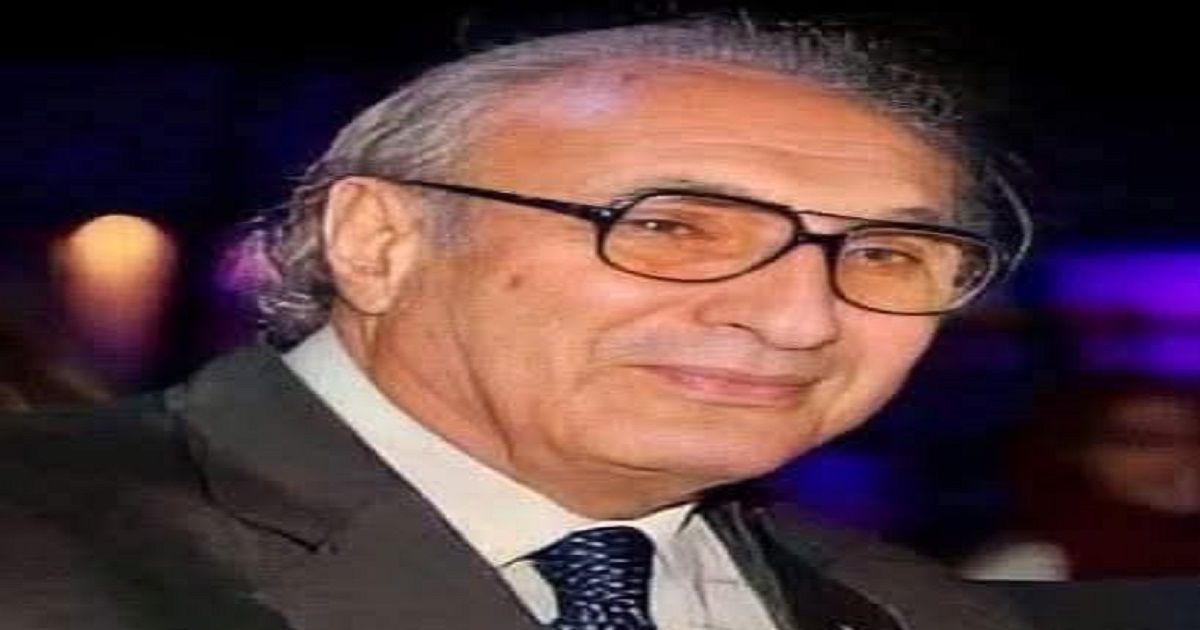
Rim Chaker// Cairo International Film Festival (CIFF) has announced that acclaimed Egyptian cinematographer Saeed Shimi will receive the Golden Pyramid Lifetime Achievement Award at its 47th edition, taking place from 11 to 20 November 2026, as the festival marks 50 years since its inaugural edition in 1976. The honour recognises his remarkable artistic career spanning more than five decades, his pioneering contributions to the development of cinematography, and his influential role in shaping the visual language of Egyptian cinema through works that have established him as one of the most distinguished cinematographers in the history of Egyptian and Arab filmmaking.

Cairo Film Connection, the co-production and development platform of Cairo International Film Festival, announces the official list of selected projects participating in its 12th edition, held as part of the 47th edition of Cairo International Film Festival, from November 11 to 20, 2026.
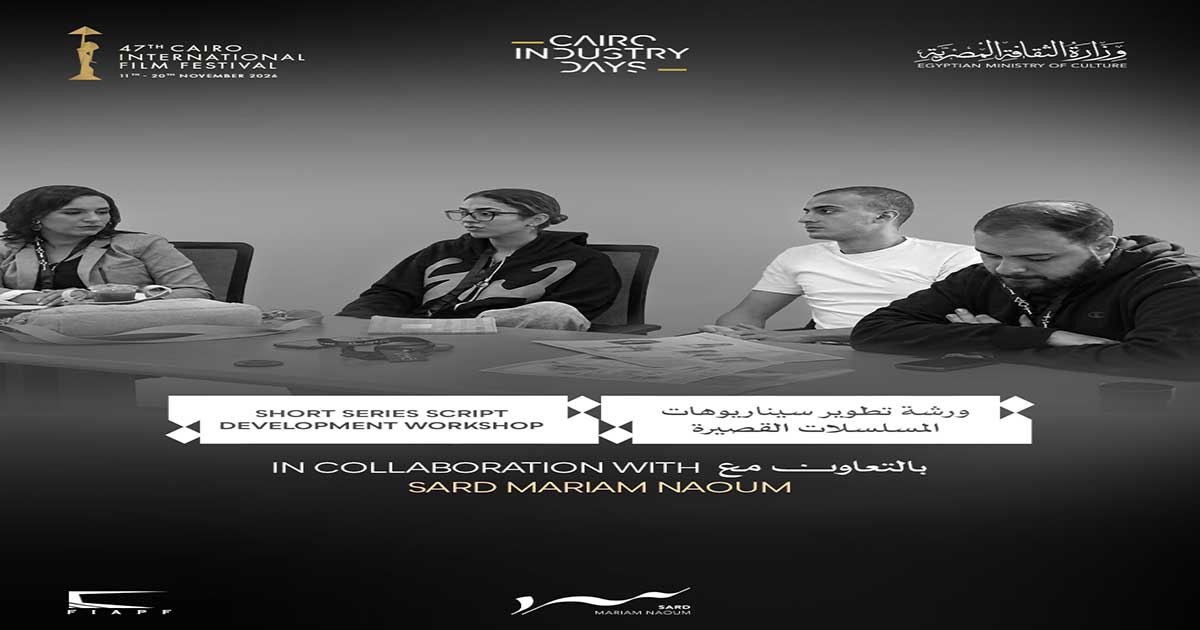
Cairo International Film Festival announces opening applications for the “Short Series Script Development” workshop, in collaboration with SARD, as part of Cairo Industry Days activities, during its 47th edition scheduled to take place from November 11 to 20, 2026.
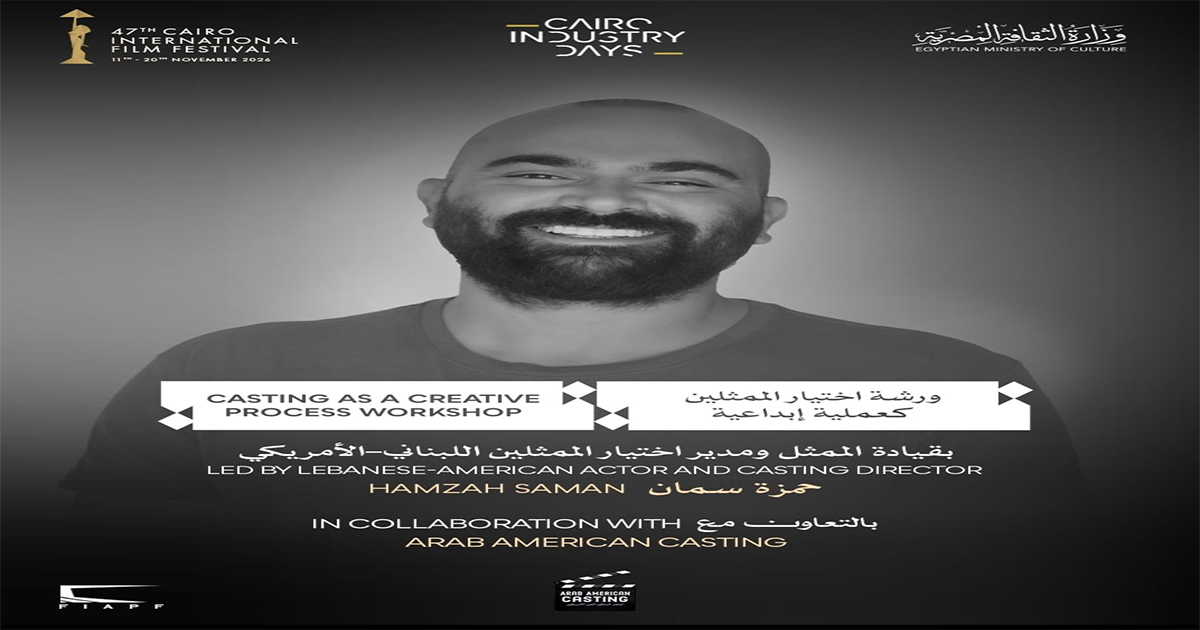
Cairo International Film Festival announces opening applications for the "Casting as a Creative Process" workshop, in collaboration with the ArabAmericanCasting platform, as part of Cairo Industry Days activities, during its 47th edition scheduled to take place from November 11 to 20, 2026.
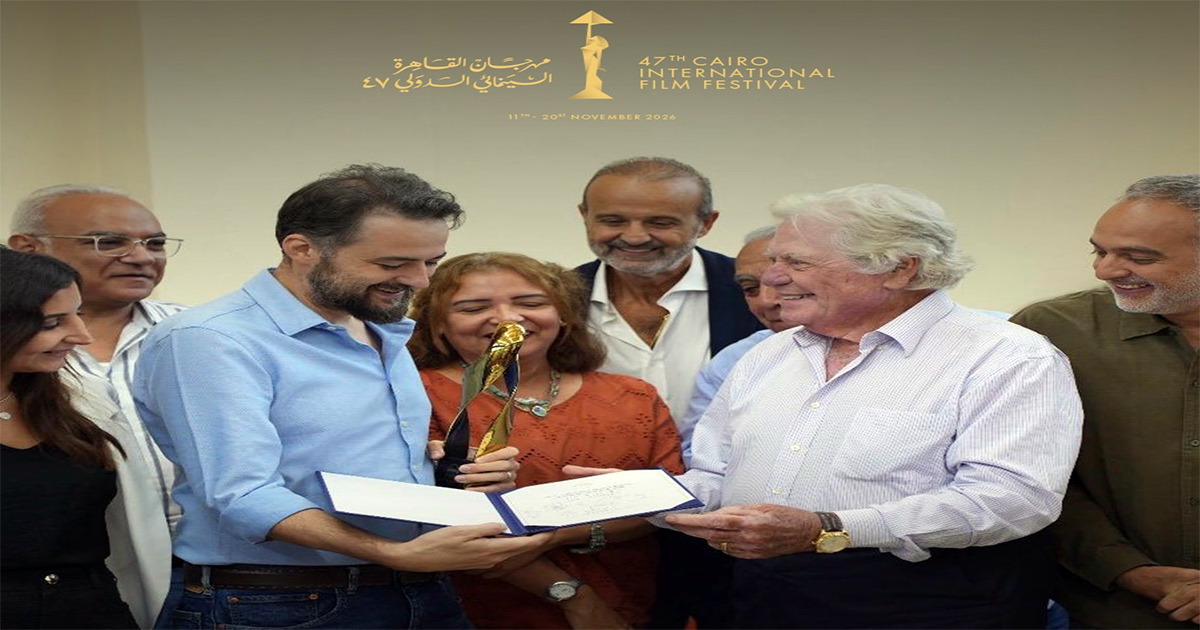
Hussein Fahmi, President of Cairo International Film Festival, received the filmmakers of "The Stories", directed by Abu Bakr Shawky, at his office in Cairo International Film Festival’s new headquarters at Cairo Opera House, to present them with the award trophy he received on their behalf at Silk Road International Film Festival in China.

Supported by the Ministry of Culture and co-produced with Abu Dhabi Festival, the Emirati musical work embodies the values of coexistence and cultural diversity while earning international recognition
Abu Dhabi, United Arab Emirates – August 2026: Harmony Under One Sky, composed by Emirati composer Ihab Darwish, Founder and President of the Emirati Musicians’ Association, has won the Best Fusion Music Award at the 2026 InterContinental Music Awards in Los Angeles, marking another international achievement that reflects the continued growth of the UAE’s music and cultural landscape and the increasing global presence of Emirati creative talent.

Actor Hussein Fahmi, President of Cairo International Film Festival and head of the Egyptian delegation, continues his intensive presence at the events of the 13th Silk Road International Film Festival, held in Xi'an, China, from September 19 to 23, 2026. This historic participation marks the selection of Egypt as the first guest of honor country in the festival's history, coinciding with the 70th anniversary of diplomatic relations between Egypt and China.

Cairo International Film Festival announces the launch of the "From Book to Screen" forum for the first time this year, as part of Cairo Industry Days, scheduled to take place from November 11 to 20, 2026. This new initiative aims to rebuild the bridge between the publishing industry and the cinema and audiovisual content sector, opening broader horizons for adapting Egyptian and Arab literary intellectual property into screenworks.

Cairo International Film Festival exchanged copies of a memorandum of understanding to deepen cooperation in the field of cinema between the festival and China Media Group (CMG), on the sidelines of the major celebration held by China Media Group in Cairo on the occasion of the 70th anniversary of the establishment of diplomatic relations between Egypt and China.
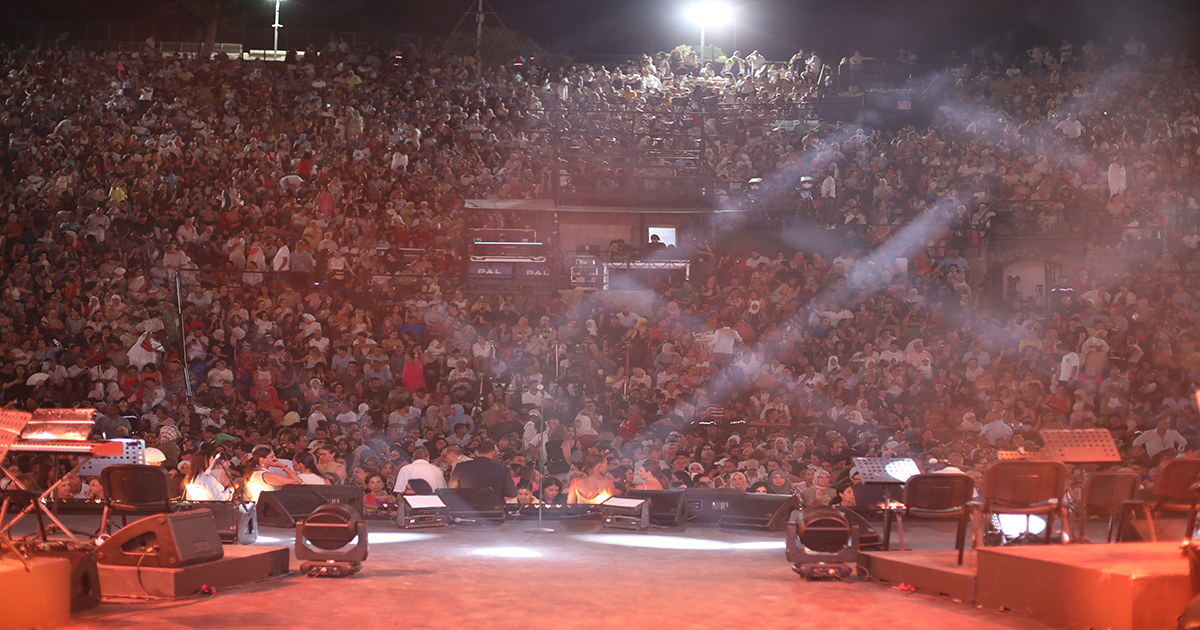
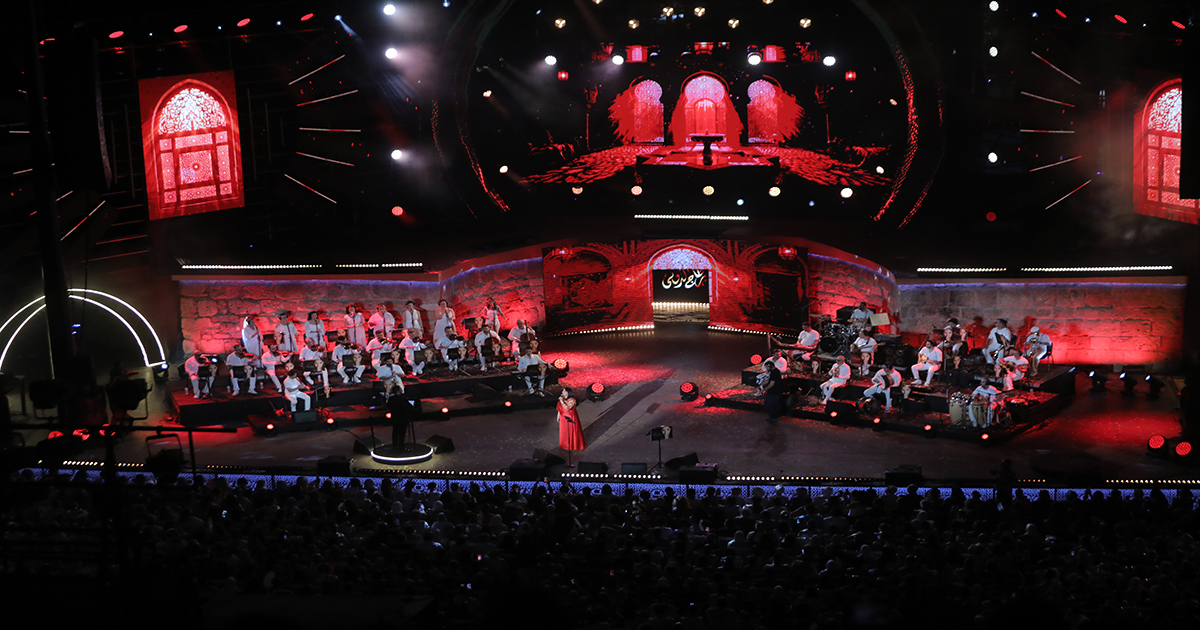
The curtain fell on the 60th edition of the Carthage International Festival, concluding with an exceptional performance on the evening of Wednesday, August 19, 2026, by a unique artist, an icon of peace with a powerful voice and a dazzling presence—Majida El Roumi. The star who began her career in the 1970s and succeeded in building a distinctive artistic experience, blending singing with acting, appeared on the Carthage stage carrying peace and love, sharing with her audience the most beautiful moments of gratitude, affection, and joy.
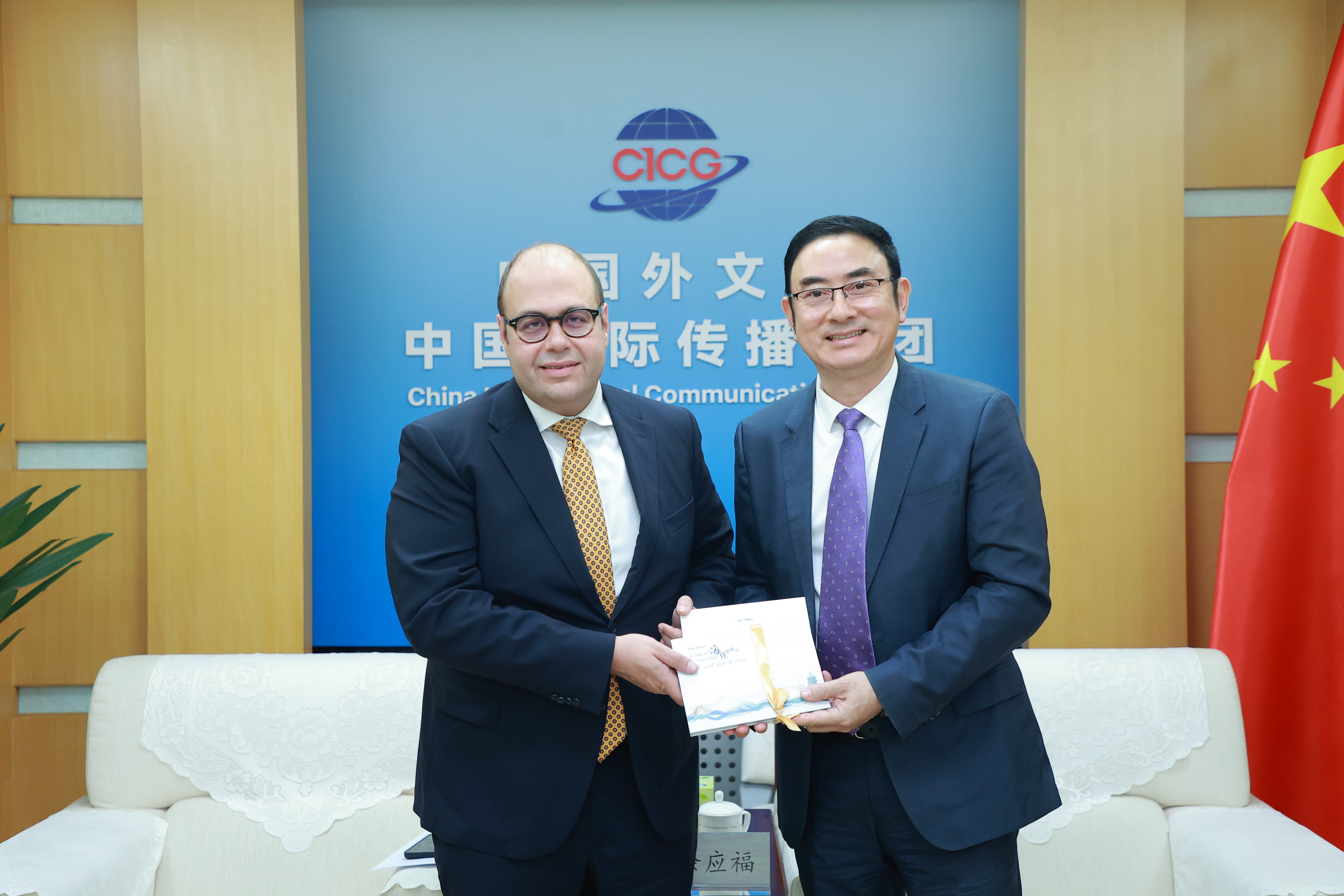
A Tale of Two Cities, a China-Egypt co-produced documentary, was officially launched in Beijing on August 19, 2026, at the China International Communications Group. The event was jointly hosted by the Fujian Provincial Bureau of Radio and Television and Fujian Media Group, and organized by the Satellite TV Center of Fujian Media Group.
The Lady of the Theatre, passionately mad about the stage, the Diva Amina Fakhet, met her audience on an exceptional night, August 17, 2026, as part of the 60th edition of the Carthage International Festival. The concert was musically orchestrated by the National Orchestra led by Maestro Youssef Belhani, with the participation of musicians from Algeria. It was a rendezvous with an artist unlike any other—an artist who made the stage her own kingdom and the audience her subjects, enchanting them with her voice, movement, and commanding presence.
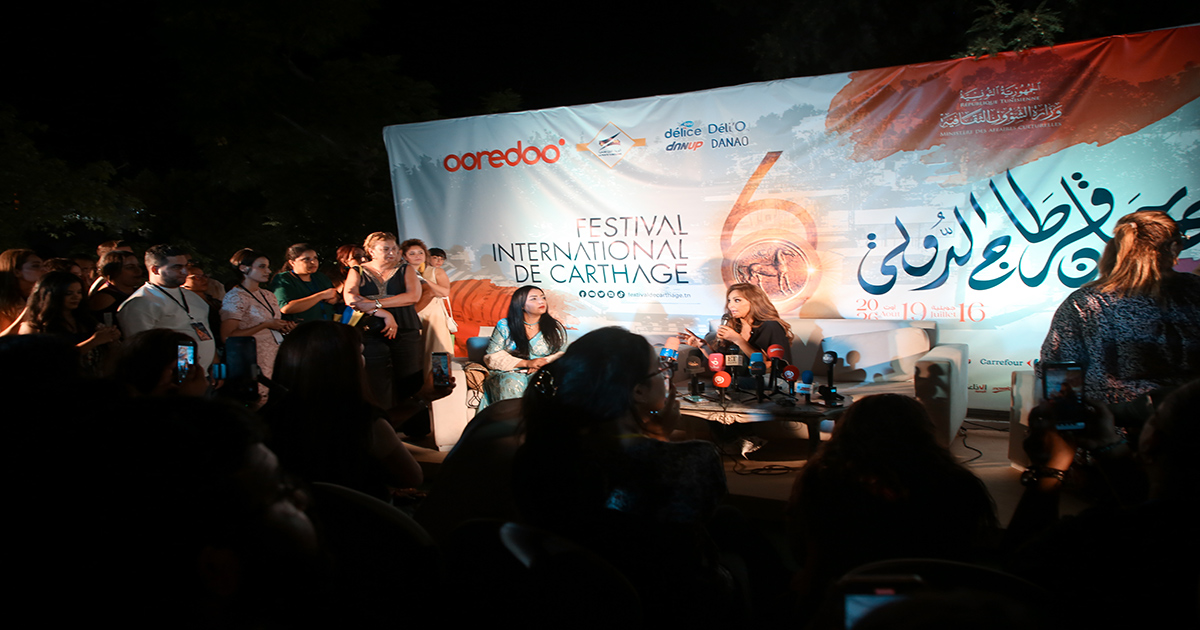
After a long absence, Lebanese artist Elissa greeted the Carthage International Festival audience through the gateway of memory, choosing to open her concert with a video documenting pivotal stages of her musical career. That moment was a journey through time, as Elissa and her audience together revisited the milestones that shaped her artistic glory, from humble beginnings to the summit she occupies today.
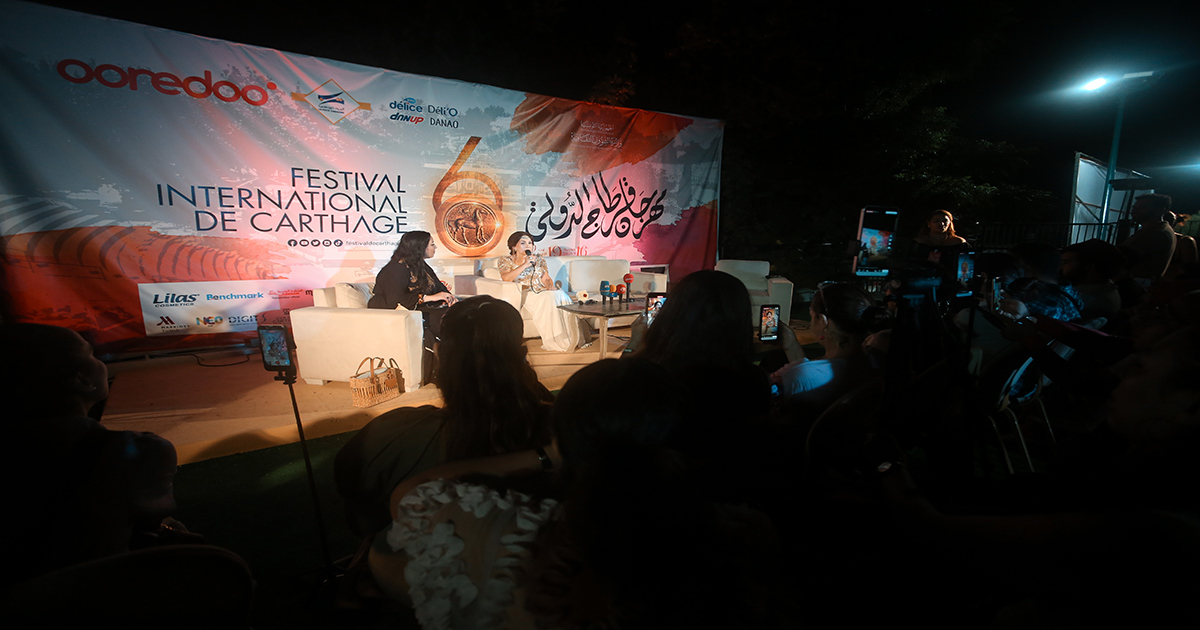
On Tunisian Women's Day, coinciding with artist Nabiha Karaouli's concert as part of the Carthage International Festival, the ancient stage transformed into a space where memory intersected with celebration, and individual voice met collective consciousness. The evening was more than a musical performance; it was a tribute to an extended feminine legacy, and a celebration of an artistic journey that made Tunisian song a mirror of identity and the social and cultural transformations experienced by Tunisian women.
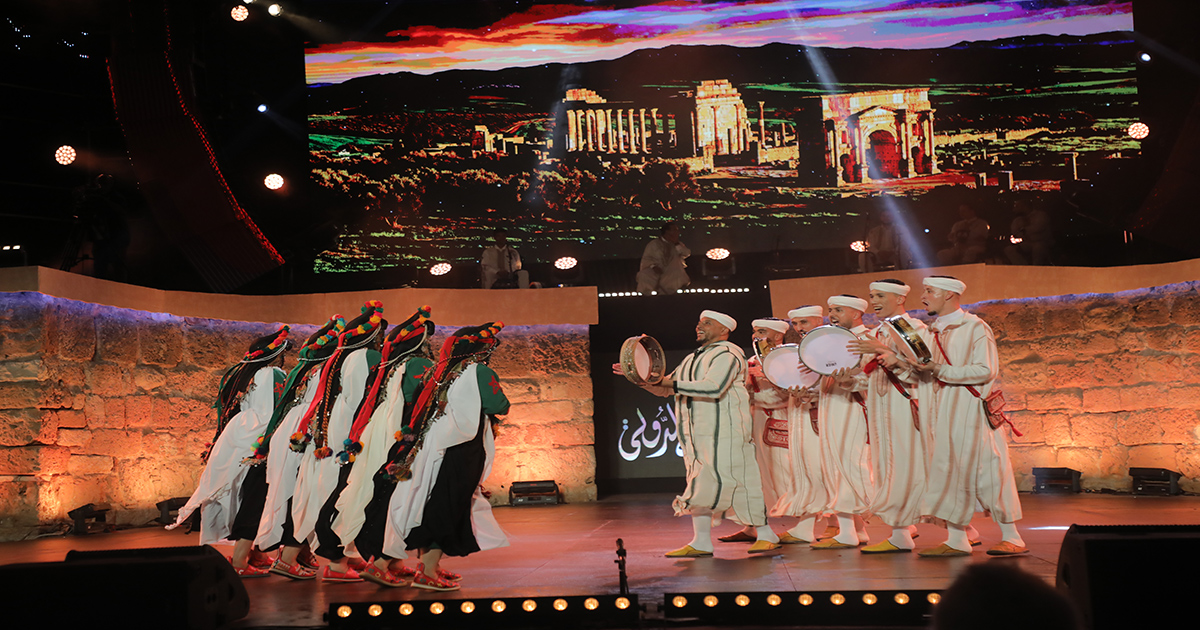
If dance is a language and a space for expression, it is also the voice of the body in all its states, stories, and worlds. On the stage of the Carthage Theatre, the encounter took place on the evening of August 11, 2026, with ten troupes from different countries, gathered for a folklore evening titled "Dances of the World," making dance a means to travel to different cultures and diverse geographies, in the presence of the Minister of Cultural Affairs, Ms. Amina Srarfi, and a number of ambassadors and diplomatic representatives.